
Heat waves take toll on local farms
By David Yin, Local Journalism Initiative reporter
Jim Forsythe noticed that his crops began struggling after they battled through a mid-July heat wave.
“It shortened our strawberry season, basically. I just drove around and looked at some of our crops, and our cole crops – broccoli, cabbage, etc. – had been impacted quite a bit by the dry weather and heat.”
As a member of Forsythe Family Farms, he is one of several farmers who now have to adapt to the increased temperatures.
Environment and Climate Change Canada announced several heat warnings for Markham since July.
These heat waves harm not only human health. They also impair food and other farmed goods.
Environment and Climate Change Canada issues a heat warning in Markham when it forecasts at least two consecutive days with maximum temperatures of at least 31°C and nighttime minimum temperatures of at least 20°C. It also issues a heat warning if it forecasts at least two consecutive days with humidex values of at least 40, indicating human discomfort.
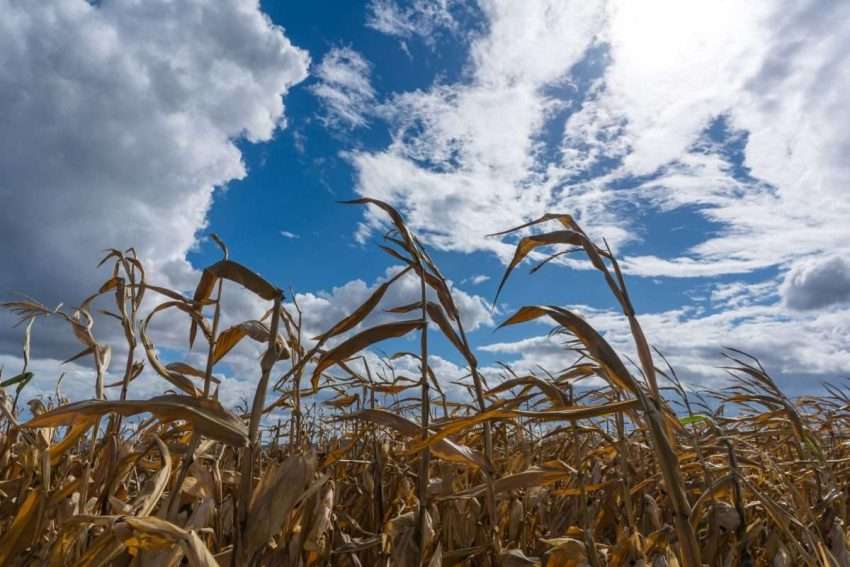
For Forsythe, this meant that his broccoli, cabbage, and corn crops had all gone through heat stress, which can stunt their growth and possibly destroy them.
However, heat waves affect more than just food.
Cathy Bartolic is the owner of Perennial Petals Flower Farm in Stouffville. She said that the recent heat waves have affected her flowers.
“At this point, I’m dealing with annuals, and so what happened with them is that they just want to set their seeds a lot quicker,” she said.
This meant that Bartolic had to harvest and sell many of her flowers at once, instead of a moderate amount over several days.
These heat wave-induced changes led to economic challenges for both farms.
Forsythe said that he may resort to irrigation to water his crops. Doing so increases his costs.
For Bartolic, these heat waves may have long-term consequences.
“There’s a chance that there won’t be as many blooms next year because it’s so hot and dry right now,” she said. Therefore, her future sales may suffer.
However, the recent heat waves have not impaired all farms yet.
Taras Rohatyn, executive director of Willowgrove Farm and Day Camp, said that his crops and livestock were relatively well-protected by the weather.
“We have running water. We have creeks that actually go through. And so, the groundwater itself and the [nearby water] level is relatively high,” he said.
“…But, if necessary, we also water a lot of the smaller plants that we have.”
Rohatyn added that his day camp services also went quite smoothly, with his company having installed fans and cooling stations throughout the camp’s facilities.
Even for Forsythe, the recent heat waves have produced some benefits for his farm. For example, he said that his corn ripened much faster than expected, despite showing signs of heat stress.
“Basically now, our climate is similar to what was in the Corn Belt 20 years ago, down in the States – the Midwest,” he said.
To learn more about how climate change and extreme weather affect agriculture, head here: https://agriculture.canada.ca/en/environment/climate-change/climate-change-impacts-agriculture
Photo: Recent heat waves have caused several crops to become heat stressed, such as corn.